


A drum pattern establishes the groove. A horn cuts through the mix. Then a rapper enters, sounding entirely at home over an instrumental that seems built around their personality.
That is the craft of music production: knowing how individual elements come together to create something greater than the sum of their parts.
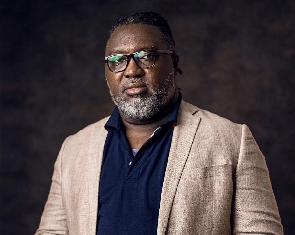
For Edward Nana Poku Osei, better known as Hammer of The Last Two, this instinct helped shape Ghanaian hiplife. His work with Obrafour, Tinny, Kwaw Kese and Edem placed him at the centre of a movement that brought Ghanaian languages, hip-hop and local musical influences into a distinctive contemporary sound.
Building a Sound, Not Just a Beat
Hammer's production draws attention to the details. The weight of the drums, the movement of the bass and the sharp punctuation of horns can transform an instrumental from a backing track into a defining part of a song.
African rhythmic traditions offer more than cultural flavour. They bring movement, texture and identity. Combined with hip-hop's structure and energy, they create room for a sound that is contemporary without losing its connection to Ghanaian musical expression.
The distinction lies in the arrangement. Every element must earn its place, leaving enough space for the vocalist while giving the track a character of its own.
It is a reminder that production is not simply about adding more. It is about knowing what the music needs.
Finding the Artiste Within the Artist
Hammer's influence extends beyond the studio equipment and the finished record. His work developing artistes has been central to his legacy.
Tinny's rise as a prominent Ga-language rapper illustrates the value of a distinctive identity. Kwaw Kese's use of Fante and Edem's Ewe-language rap similarly demonstrated that Ghanaian hip-hop could draw strength from linguistic and cultural specificity.
The lesson is straightforward: an artiste does not need to sound like everyone else to find an audience. Sometimes, the producer's job is to identify what makes a performer different and build around it.
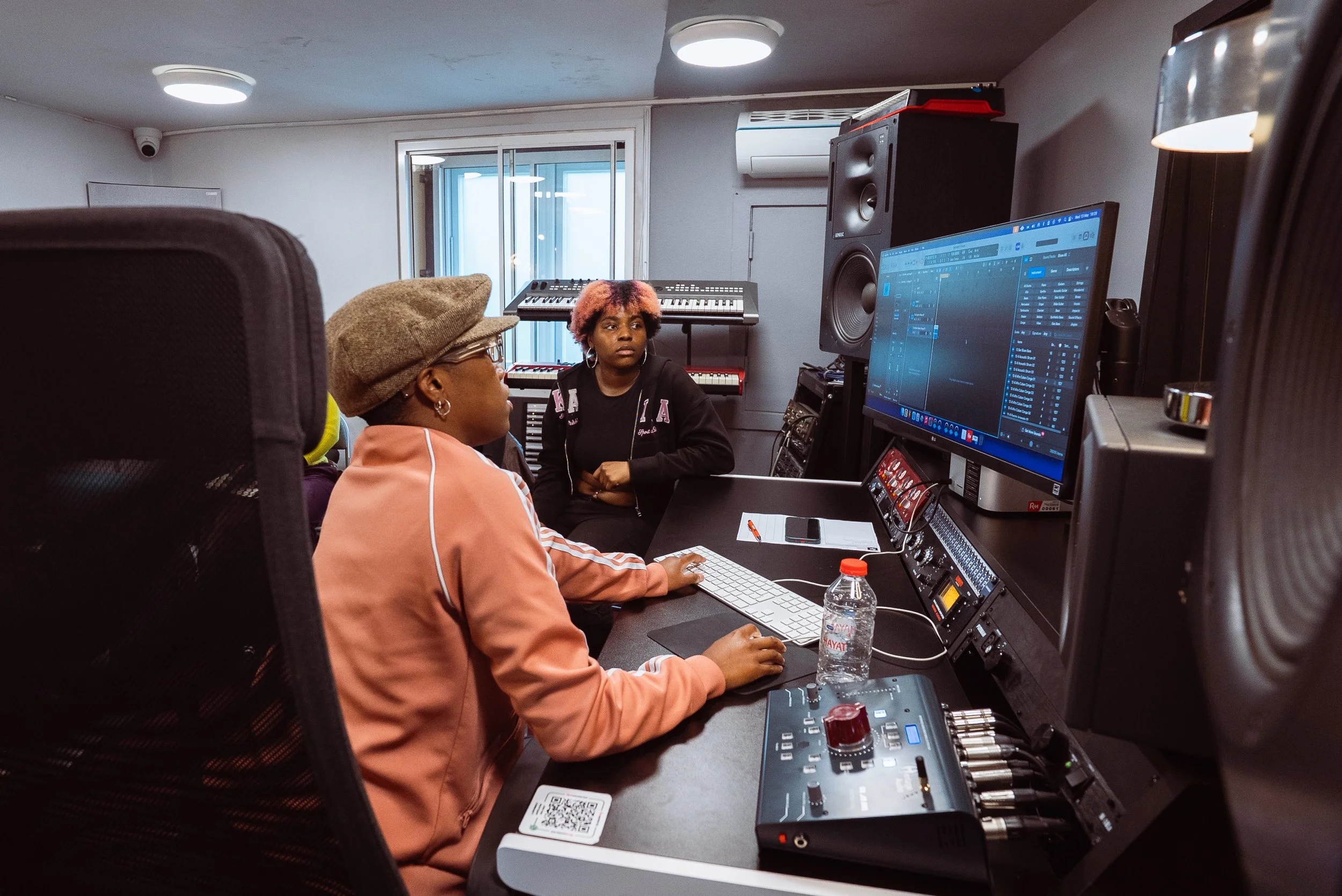
That takes more than technical skill. It requires an ear for personality, the patience to develop potential and the judgement to know when a performance needs direction rather than correction.


