

For centuries, churches were more than places of worship. They were galleries, cultural landmarks and showcases of extraordinary craftsmanship. Painters, sculptors and architects worked together to create spaces where faith could be experienced through colour, form, light and texture.
Then came modernism. Elaborate ornamentation gave way to clean lines, exposed concrete and restrained interiors. The focus shifted from what decorated a church to how the building itself made people feel.
Today, that relationship between art and religion is worth revisiting. As contemporary churches embrace minimalist architecture, art is finding its way back into sacred spaces, not as decoration for decoration’s sake, but as a meaningful expression of faith, identity and culture.
The Case for Art in Sacred Spaces
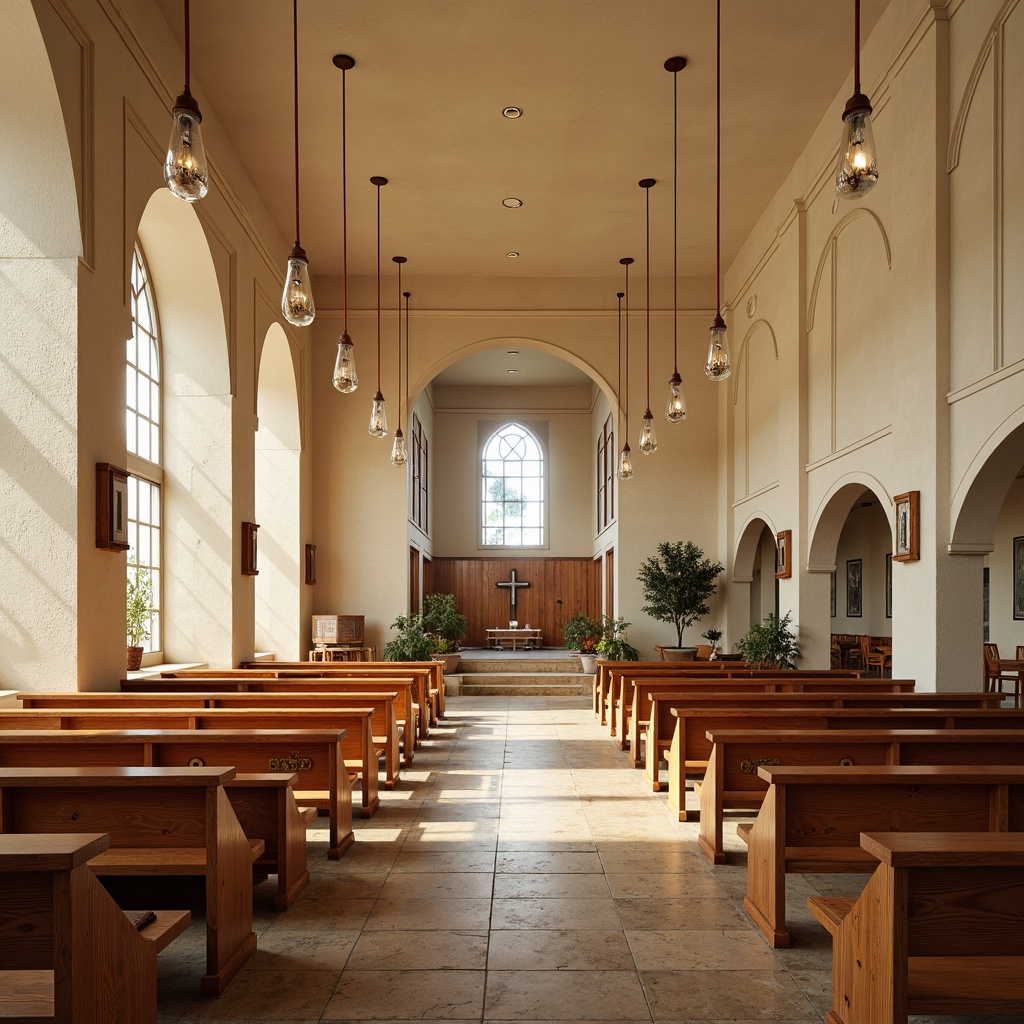
Minimalism has transformed contemporary architecture, and churches are no exception. Natural light, carefully selected materials and uncluttered interiors can create an atmosphere conducive to contemplation. But simplicity does not have to mean emptiness.
A painting can introduce warmth into a stark interior. A sculpture can give a sanctuary a focal point. Stained glass can turn ordinary sunlight into an ever-changing display of colour.
The most compelling examples are those in which art and architecture work together. Rather than treating artwork as an afterthought, designers can make it an integral part of the building’s identity.
This is where the contemporary church has an opportunity to rethink tradition. Sacred art does not need to replicate centuries-old religious imagery to inspire reflection. It can explore symbolism, human experience, nature and cultural heritage while remaining connected to the spiritual purpose of the space.
Two Paintings, One Bigger Conversation
A notable example is the donation of two acclaimed paintings by renowned Ghanaian artist and academic Professor Emmanuel Ablade Glover to the Presbyterian Church of Ghana’s Grace Westland Congregation.
Prof. Glover is one of Ghana’s most internationally recognised artists. His expressive paintings, often distinguished by energetic textures, layered colour and depictions of bustling markets and urban life, have earned him a prominent place in the contemporary African art scene. His work demonstrates how colour and movement can communicate the character of a place and the complexity of human experience.
The presence of two of his paintings in a church setting offers an interesting meeting point between artistic expression and religious life.
Churches have traditionally commissioned works that reinforce biblical narratives or depict recognisable religious figures. Yet art can contribute to a sacred environment in other ways. It can invite quiet observation, encourage conversation and bring the wider cultural world into a place devoted to spiritual reflection.
The significance of Glover’s donation extends beyond the value of the individual works. It highlights the potential for churches to become custodians of art and culture, creating spaces where congregations encounter both spiritual teaching and artistic excellence.